
Randlett was settled, abandoned, and settled again in 1905, and for a short time it went by Leland. It’s named for Col. James Randlett, who served at nearby Fort Duchesne. Today it’s a small, spread out community near the Uinta River, with a lot of open ground between neighbors.
Open ground is great for building, but it also means water travels a long way before it settles somewhere. On a flat Randlett lot, a few inches of grade can decide whether runoff drains off or parks next to your shop. We set those slopes with care and compact the base so it stays where we put it.

Excavation for Randlett homes, shops, and garages, dug to the exact footprint and depth in your plans.
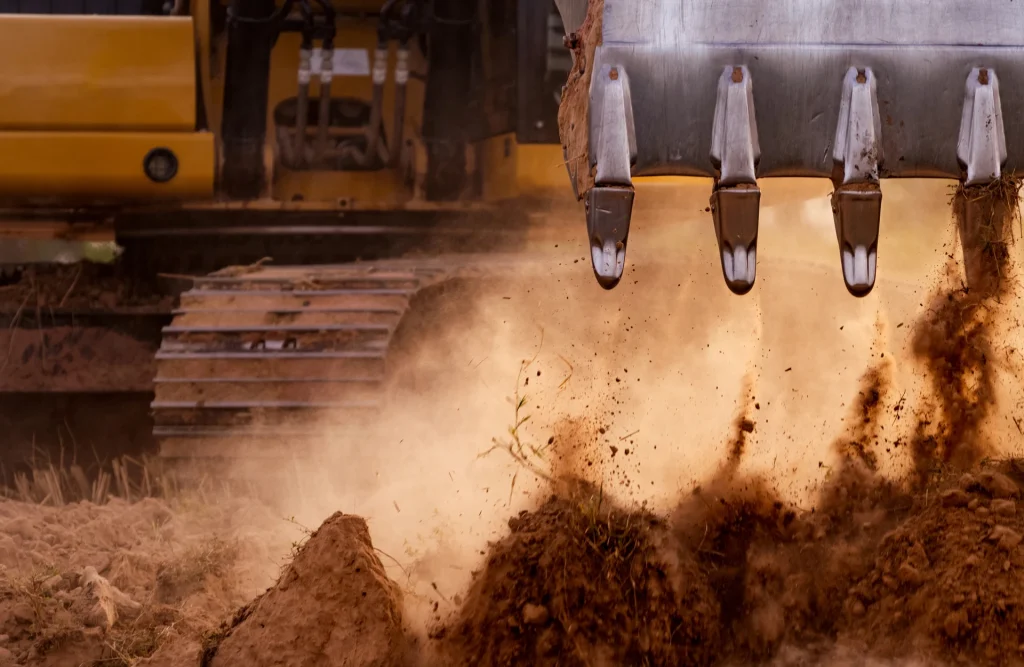
Randlett trenching for water, power, and sewer, with tidy trench walls and backfill after the lines go in.
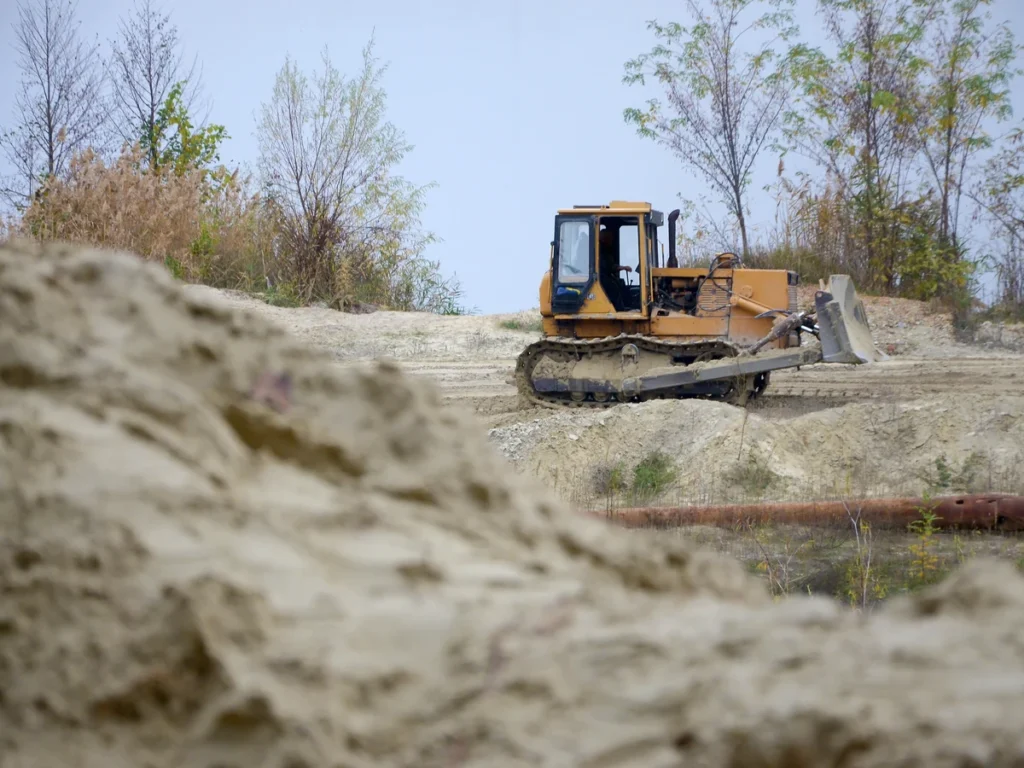
Grading for Randlett's flat, open lots that builds in enough fall to move water away from structures.
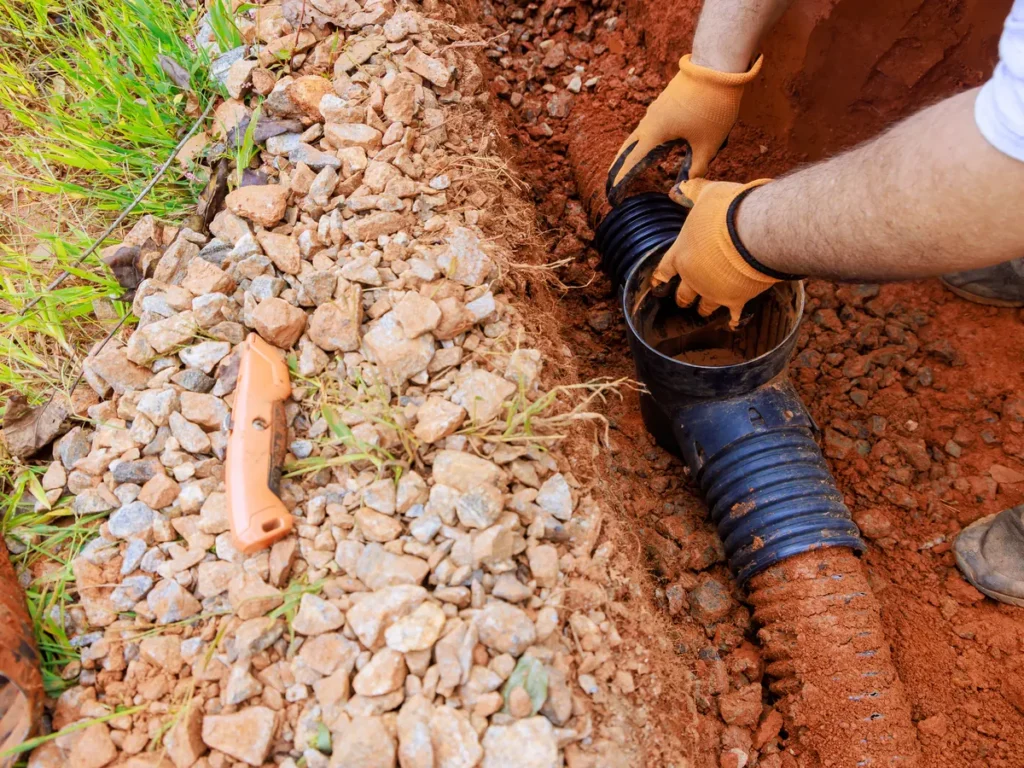
Swales, ditches, and regrading for Randlett properties where runoff spreads out and lingers near buildings.
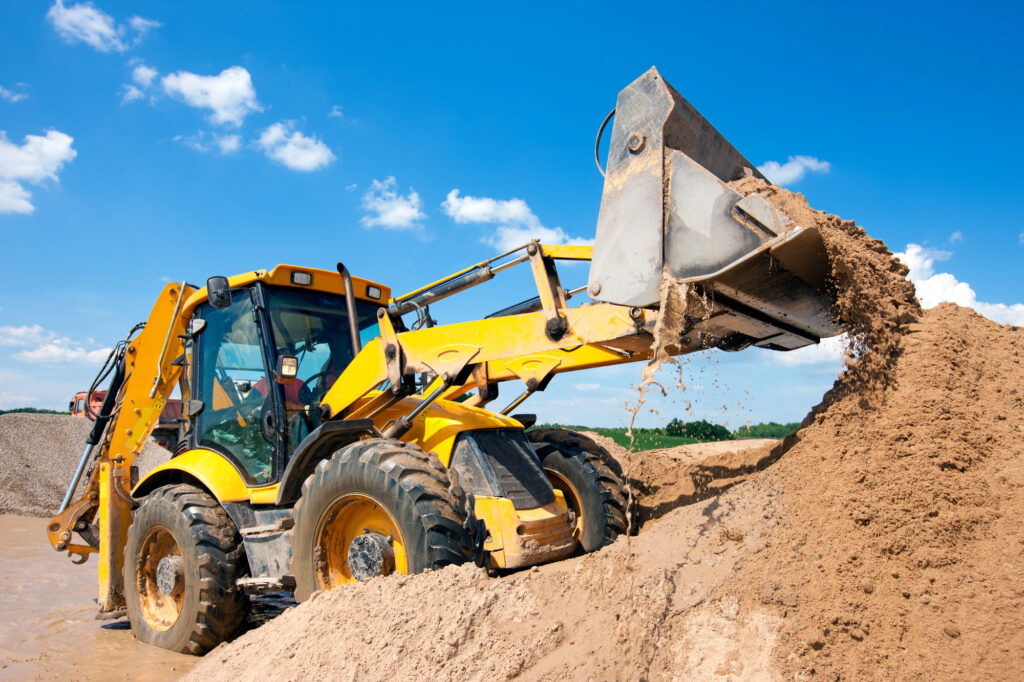
Utility excavation and backfill on Randlett properties, timed with the electricians and plumbers setting lines.
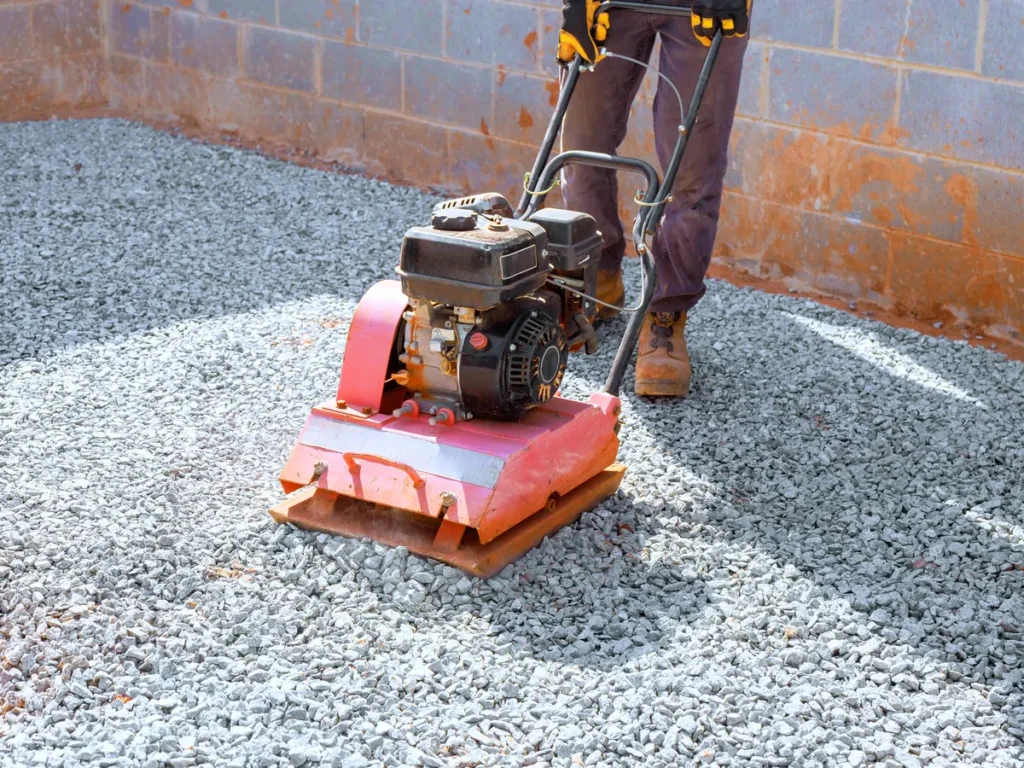
Compacted, crowned base for Randlett driveways and access roads, ready for gravel now or paving later.
Call us early, ideally before the builder or concrete crew is booked. Uintah County requires footings at least 30 inches below grade, so the dig needs to be planned around that depth from the start.
Call too if water stands around your buildings after a storm, your access road ruts out, or part of the yard stays muddy long after the rest has dried.
Soil near the Uinta River can differ from ground farther out, so we check your Randlett site before setting depths.
Wide lots and long runs need equipment that covers ground efficiently, and we bring machines sized for the work.
We follow your plans for depth, slope, and dimensions, and we check grades before the job is called done.
Spoil stays organized, your fences and ditches stay intact, and the site gets cleaned before we pack up.
We visit your Randlett property, walk it with you, review plans, and look at how water moves before quoting the job.
Blue Stakes gets notified at least 3 business days before we dig, and we map out grades, trench routes, and depths.
We excavate, trench, and grade the site, building in the fall needed to get water off flat ground.
Fill is placed and compacted in lifts, and we finish grade so your site drains and is ready for the next trade.