Excavation & Dirt Work in Mountain Home

At about 7,005 feet, Mountain Home has some of the coldest ground Basin works in, and that changes how deep and how carefully we dig. We handle foundations, trenching, grading, drainage, utility prep, and driveway base for Mountain Home ranches, cabins, and homes on the road toward Moon Lake.

Request A Quote

Digging for High Country Winters

Mountain Home is called the Gateway to the High Uintas for good reason. Moon Lake sits about 12 miles north, cattle range covers the country around town, and the long, cold winters leave a short window for good digging. Ground that freezes deep and stays cold punishes shallow lines and thin base.

That’s why we put most of our planning into depth and drainage. A stock waterer line, a hay shed pad, or a new house foundation all need to sit low enough and drain well enough to ride out a Mountain Home winter. We schedule these jobs as planned trips out the west end of the bench.

Our Excavation & Dirt Work in Mountain Home

General Excavation

Foundation and basement excavation in Mountain Home, dug to depth so footings sit safely below the frost line.
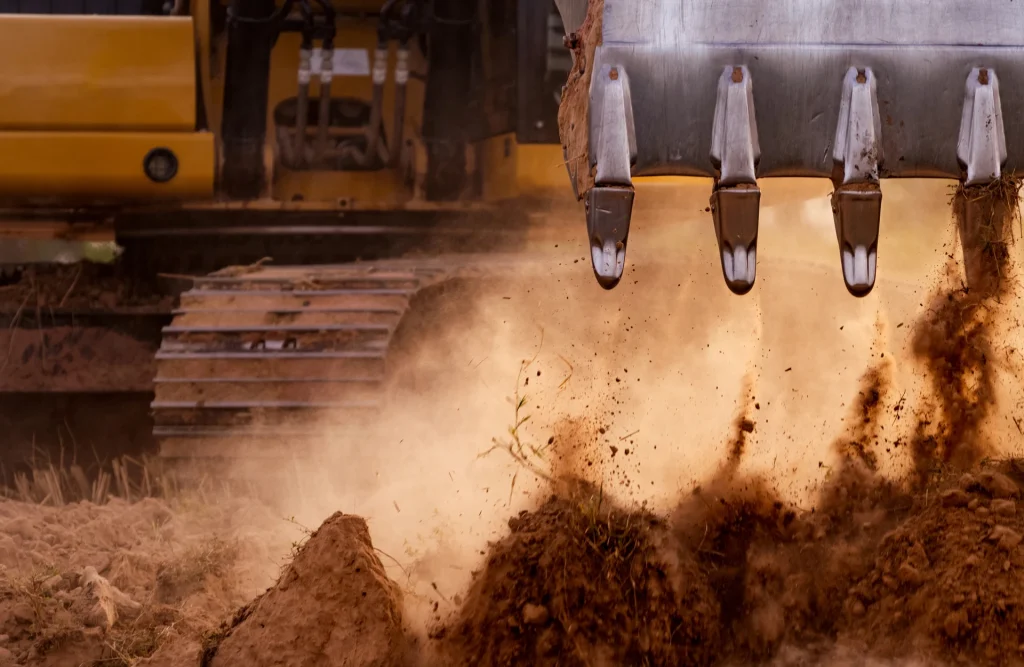
Trenching

Trenching for water, power, and stock lines in Mountain Home, cut deep enough to stand up to hard winters.
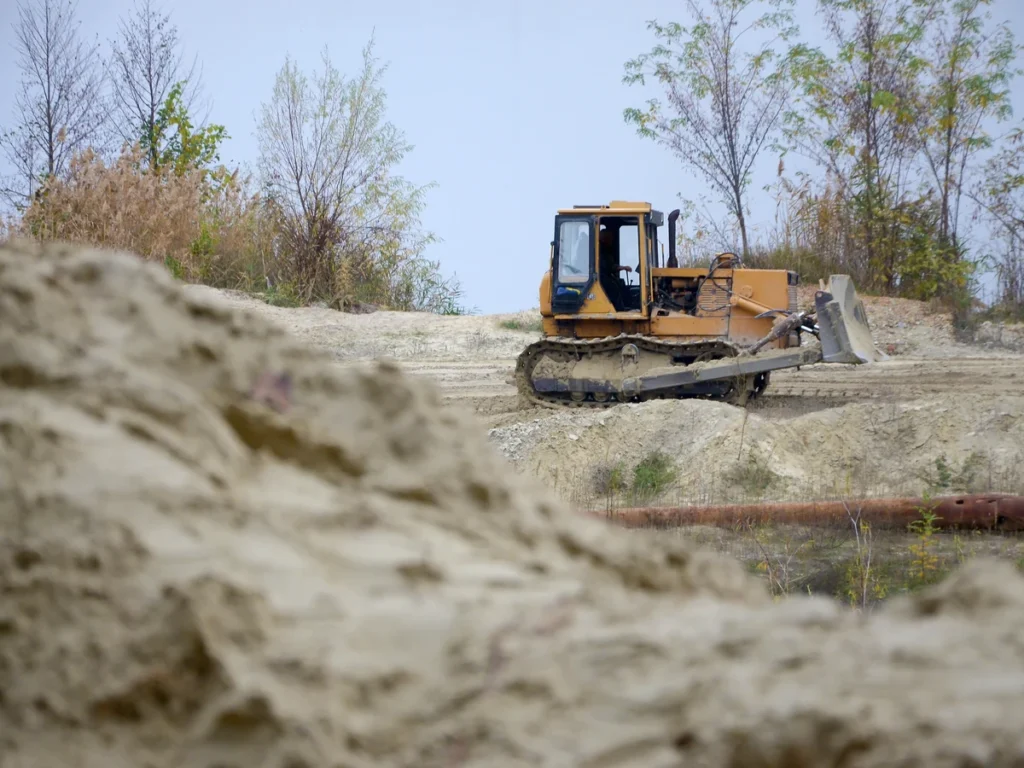
Grading

Site and yard grading in Mountain Home that moves spring melt away from homes, barns, and corrals.
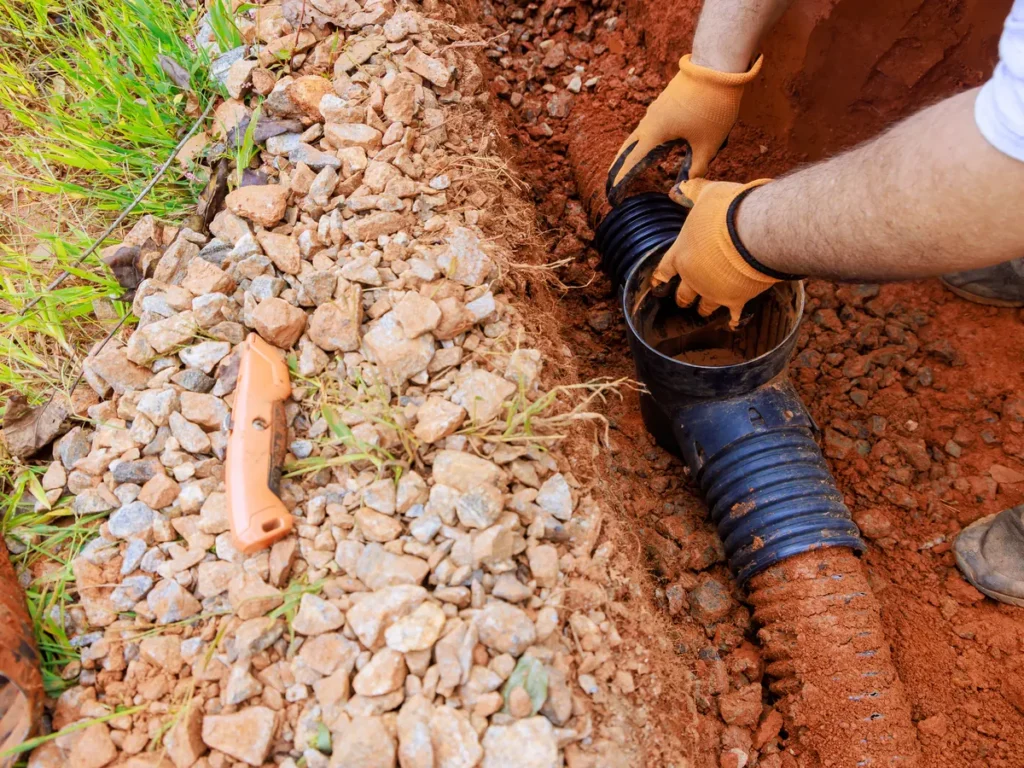
Drainage Solutions

Drainage fixes for Mountain Home properties where snowmelt or irrigation water keeps pooling near buildings.
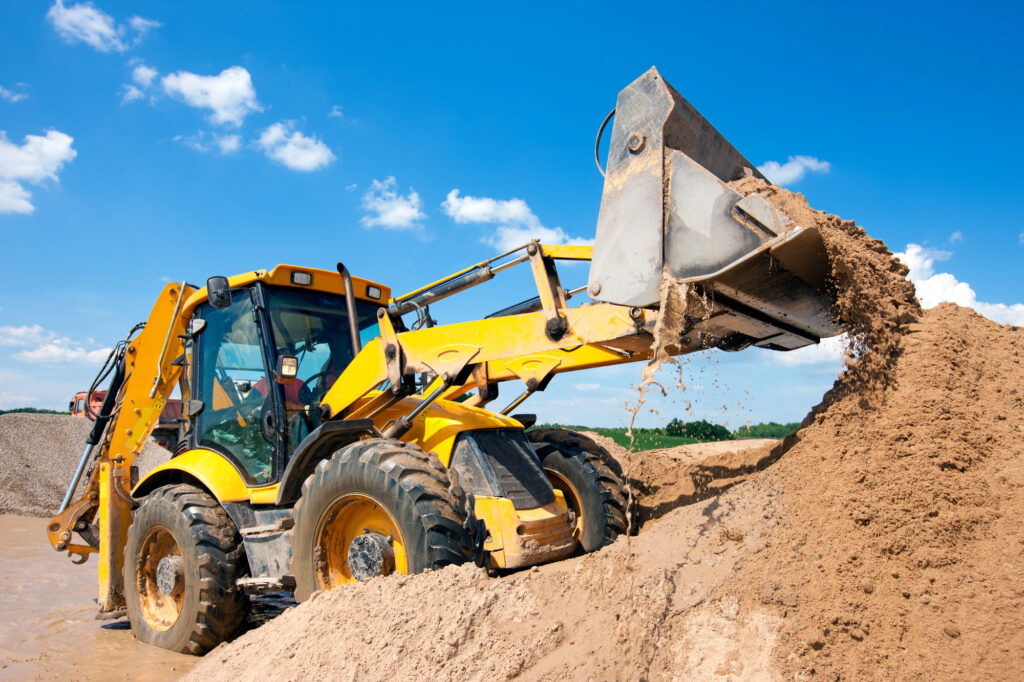
Utility Prep

Excavation and backfill for Mountain Home utility runs, planned around the trades who lay the pipe and wire.
Driveway Prep

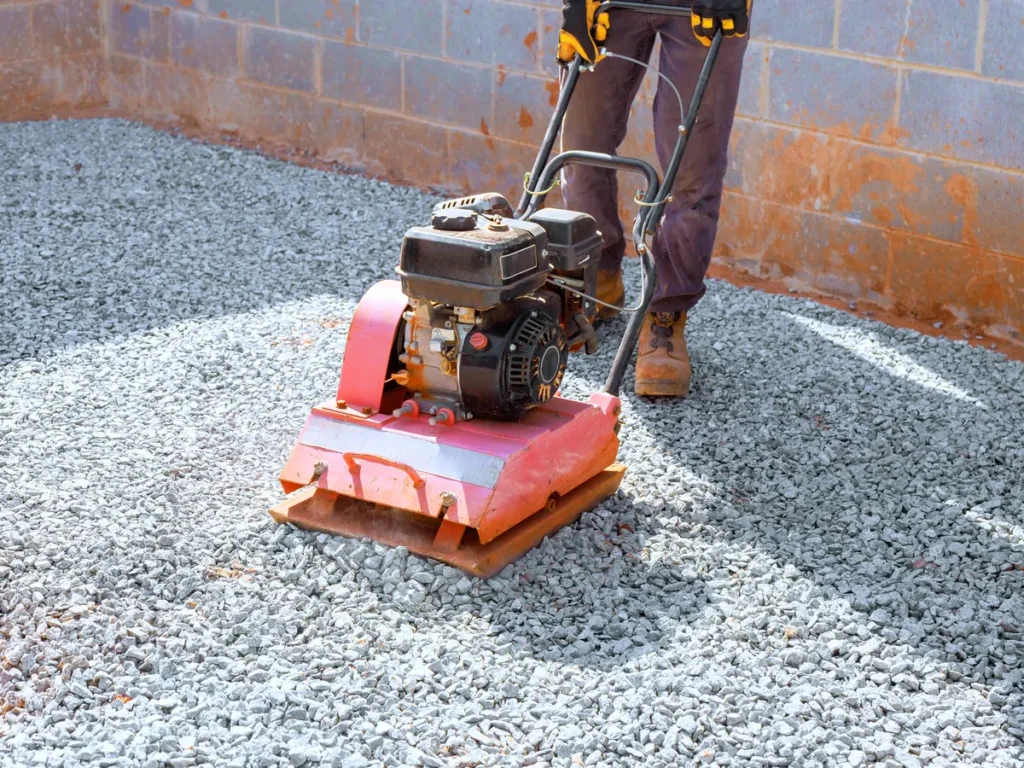
Compacted gravel driveway and ranch road base in Mountain Home that holds up to stock trailers and thaw.

What Solid Dirt Work Means in Mountain Home

High elevation and long winters are hard on anything built on poor ground in Mountain Home. Good depth and drainage now save you from heaving, cracking, and frozen lines later.

When to Schedule Mountain Home Excavation

Duchesne County uses a 30 inch frost depth, and at Mountain Home’s elevation it’s smart to treat that as a minimum. The short season means calling early, before builders and concrete crews fill their calendars.

If your waterer line froze last winter, your lane goes soft every spring, or melt water runs into the barn, those are good reasons to get on our list for the next dry stretch.

Why Mountain Home Trusts Basin With Its Dirt Work

We bring the right plan and the right machines to Mountain Home, and we’re straight with you about timing.

Know the Soil

Mountain Home ground stays cold and wet longer than lower towns, so we check moisture and firmness before deciding on depth and compaction.

Right Equipment

From a narrow trench for a waterer line to a full house dig, we match the equipment to the size of the Mountain Home job.

Done to Spec

We follow your plans for depth, slope, and size, then check grade before we call any part of the work done.

Clean Job Sites

Gates get closed, fences stay up, spoil is piled where you want it, and the yard is tidy when we leave.

Mountain Home Excavation Questions

Here are answers to what Mountain Home ranchers and homeowners ask us most.
What depth keeps a Mountain Home water line from freezing?
Duchesne County uses a 30 inch frost depth, but at this elevation many owners go deeper for extra margin. Your plumber or water provider sets the final depth, and we dig the trench to match.
Yes. We strip topsoil, cut to depth, bring in base, compact it in lifts, and slope the pad so water runs off rather than soaking in under the building.
Late spring through fall is the usual window once the ground thaws and dries out. Winters at Mountain Home are long, so getting on the schedule early helps a lot.
Not at all. Mountain Home is at the far west end of the bench, so we plan trips out and group jobs in the area. We’ll give you a realistic date when you call.
Often, yes. We grade the route, build up compacted gravel base, and shape the edges and crown so water drains off instead of cutting ruts.
Those go in through a septic installer or the utility crew. We handle the digging and backfill, and we work around their schedule so the trench is ready when they are.
Yes, they’re free. Call (801) 669-0512 or request one online, and we’ll set up a trip to Mountain Home to see the site and go over your estimate.

How a Mountain Home Job Gets Done

A Mountain Home project follows four simple steps from the first visit to the last pass of the compactor.

Site Visit

We make a trip out to Mountain Home, walk the property with you, and go over the plans, access, and timing.

Locate & Plan

We file with Blue Stakes at least 3 business days before work, then plan trench routes, depths, and spoil piles.

Dig & Grade

The crew digs and shapes the site to plan, watching for wet spots or cold, soft ground that needs extra attention.

Compact & Finish

We backfill and compact in layers, then set the finished grade so snowmelt drains off and the site is ready to build.

Planning a Dig in Mountain Home?

Reach out about your Mountain Home project and we’ll find a time to come walk the ground with you.