
Before it was Manila, folks here called the place Lucerne for the alfalfa grown in the valley, and hay and livestock are still a big part of life in town. Much of our work in Manila is practical ranch and home groundwork: shop pads, waterer lines, graded yards, and lanes that hold up to haying season.
Manila averages about 38 inches of snow a year, so melt and drainage get attention on every job. We head up US-191 and over on SR-44 on planned trips, grouping Manila work so the crew can spend full days digging instead of driving.

Excavation for foundations, basements, and shop pads in Manila, dug to the size and depth on your plans.
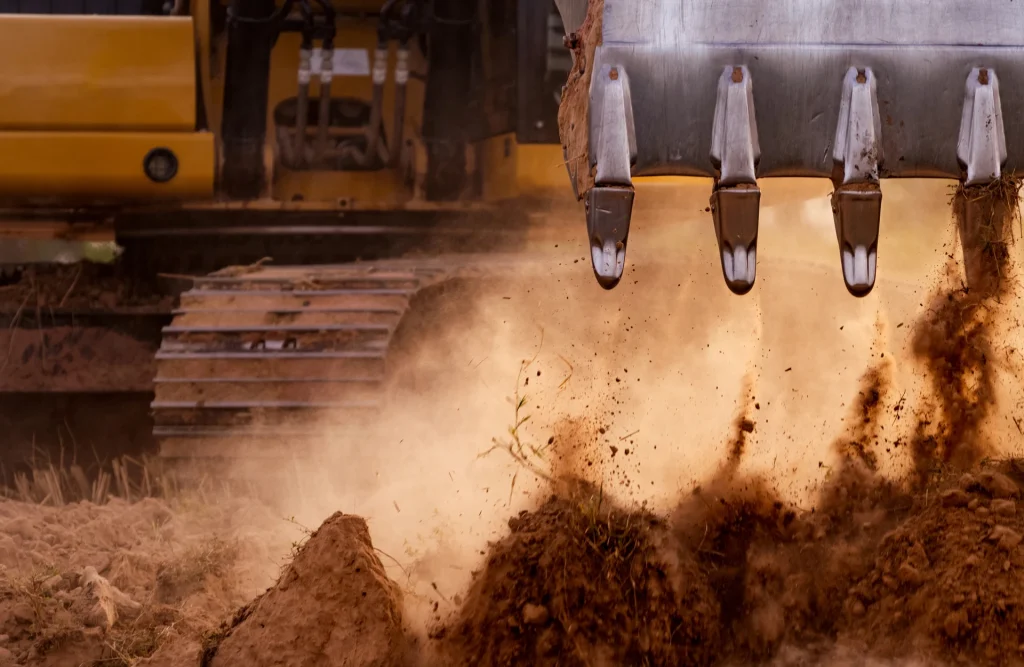
Manila trenching for water, power, and waterer lines, backfilled and compacted after the install.
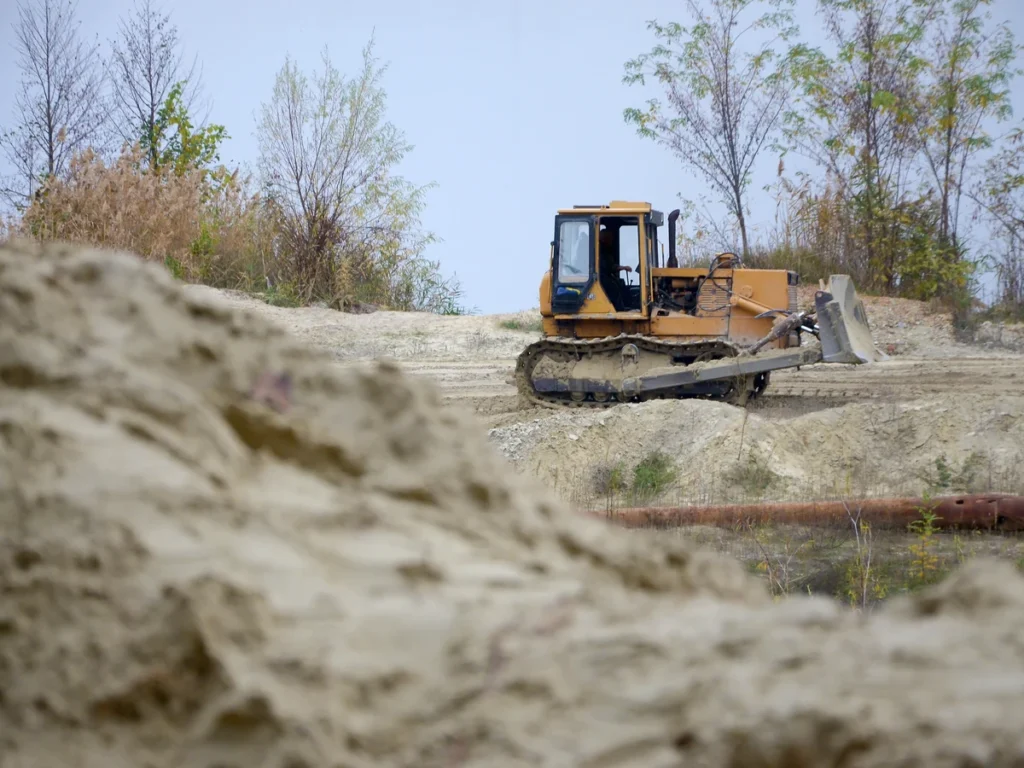
Grading for Manila home sites, yards, and barn lots so melt and irrigation water drain away.
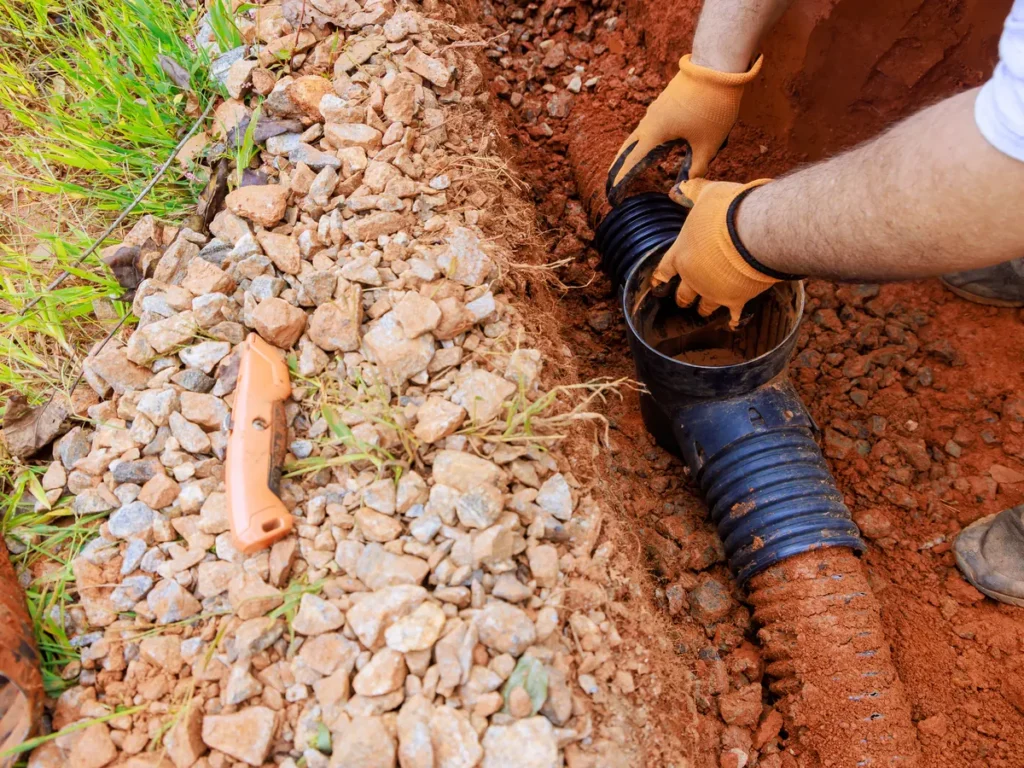
Drainage fixes in Manila for wet barnyards, flooded corners, and runoff that heads toward the house.

Utility prep for Manila properties, with digging and backfill scheduled around the trades laying the lines.
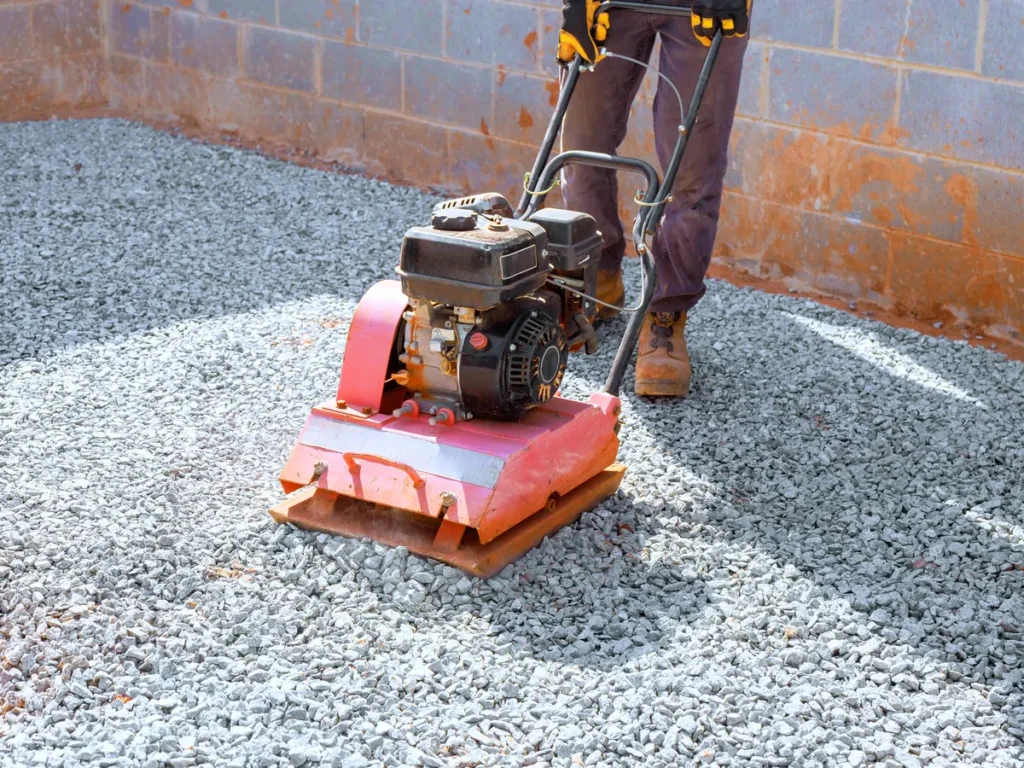
Driveway and lane base in Manila, built with compacted gravel to handle hay trucks, balers, and spring thaw.
Manila winters bring January lows around 12°F, so digging usually waits until the ground thaws and dries. Work out footing and line depths with your builder and the local building office, and we’ll dig to match.
Try to book before haying gets busy. Wet barnyards, soft lanes, and frozen waterer lines are all good reasons to call us early.
Valley hay ground and drier benches near the reservoir act differently in Manila, so we check the soil before choosing depth and compaction.
We bring equipment suited to the work, from a compact machine for a waterer trench to bigger units for a shop pad.
Your plans set the depth, size, and slope, and we check grade on the Manila site before calling a section done.
We keep spoil off your fields, respect fences and ditches, and leave the yard tidy before the drive home.
We plan a trip to Manila, walk your property with you, and go over the plans, access, and best timing.
We submit the Blue Stakes request at least 3 business days ahead and plan routes, depths, and where spoil goes.
Our crew excavates, trenches, and grades to plan, keeping your hay ground and lanes usable while work goes on.
Each backfill layer is compacted, and the finished grade is set so water drains away from buildings and lanes.