
At 6,391 feet on the south slope of the Uintas, Altamont averages about 38.7 inches of snow a year. That’s well above most towns in the Basin, and it means storms here stack up instead of melting off between them. Roofs carry more, lanes drift deeper, and shop yards serving the Altamont and Cedar Rim oil fields need room for trucks to turn.
Altamont is also one of the farthest stops we make. That’s why we steer customers toward seasonal contracts. With your property on a planned route along SR-87, we can make the trip out with the right equipment instead of scrambling storm by storm.

Plowing Altamont driveways, business lots, and shop yards on a seasonal route so trucks and families can get moving.
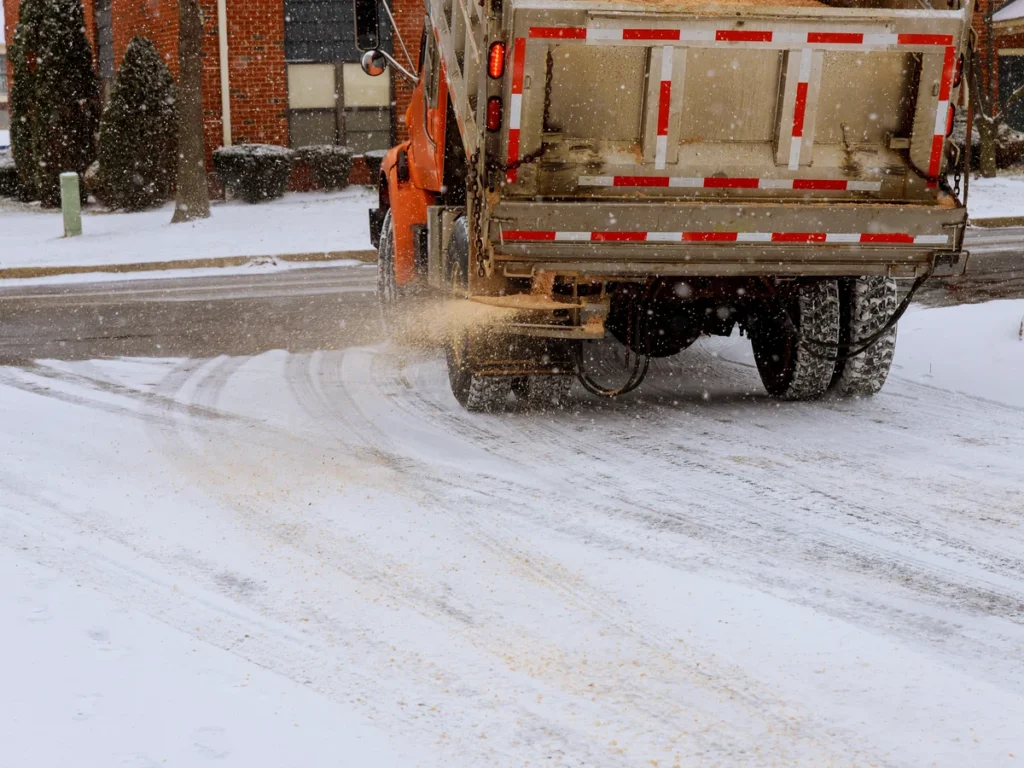
De-icer for Altamont walks, steps, and entrances where repeat storms pack snow into ice.

Clearing Altamont sidewalks, porches, and entries after each storm on our planned trips.
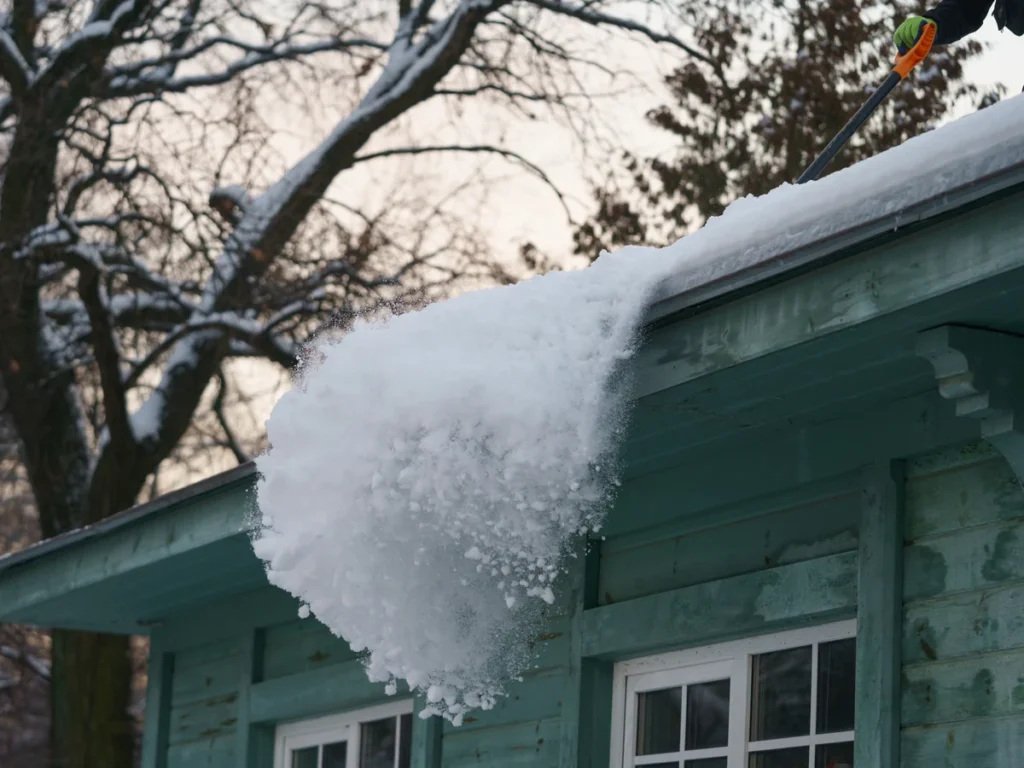
Roof snow raking for Altamont homes and buildings, which carry more snow than most in the Basin.
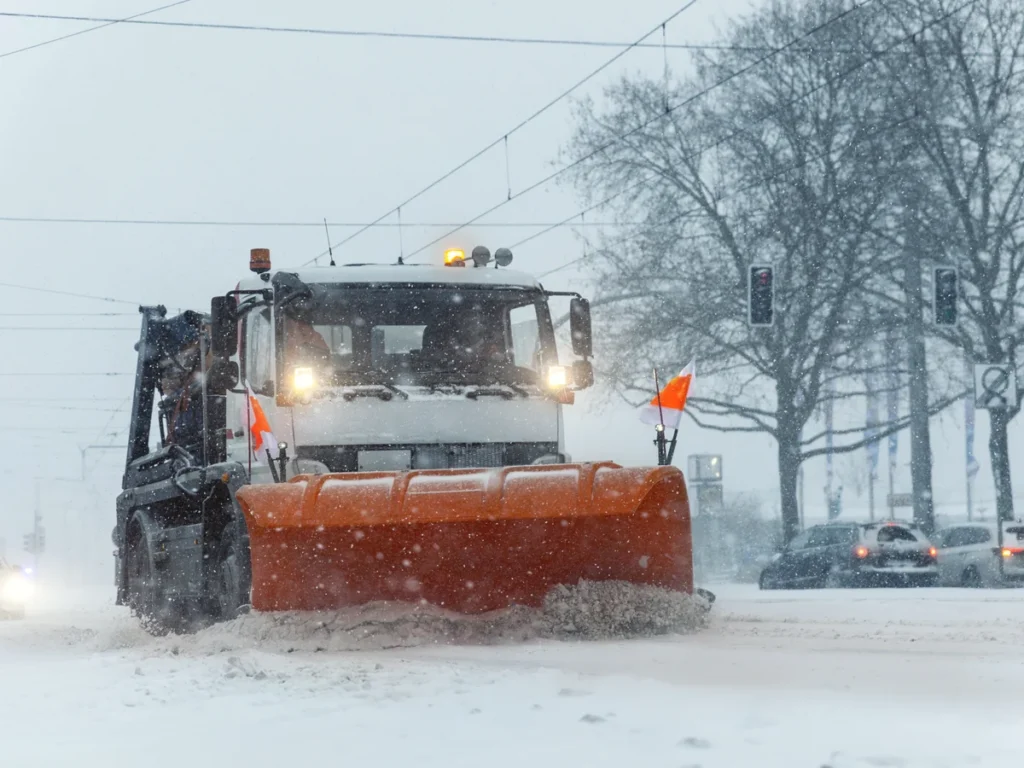
Emergency snow response for Altamont contract customers when a big storm calls for an extra trip up SR-87.
Altamont fills up first because it needs the most help. Call us in early fall so we can walk your property, stake drives and yards, and plan where snow will go when the piles get big.
A mid-season call is still worth making. We’ll be straight with you about whether there’s room on the Altamont trip.
Altamont contract customers stay on our planned trips all season, so you're never left wondering if you're covered.
Heavy snow years mean bigger plows and loaders for shop yards, plus roof rakes for the buildings carrying the load.
With storms stacking up, we treat walks and entrances after each visit so old snow doesn't freeze into thick ice.
Our crews know the benchlands along SR-87 and how much more snow Altamont sees than the valley below.
We walk your Altamont property in the fall, mark drives and yard edges, and plan where piles can go.
You sign on for the season and your stop goes on the route we run out SR-87.
After snow, we plow drives, lots, and yards, then clear the walks and entrances people use most.
We put down de-icer, check roofs that are carrying a load, and flag anything that needs raking.